Delivered journey · Anonymized real case · Operating evidence
14-Day High-End Silk Road Journey
A delivered 2025 private journey connecting Xinjiang, the Hexi Corridor and Xi’an through one operating plan. This case shows route logic, regional handoffs and cultural sequencing. It is not a fixed tour, an availability promise or a client endorsement.
Urumqi → Tianchi → Turpan → Dunhuang → Jiayuguan / Jiuquan → Zhangye → Lanzhou → Xi’an
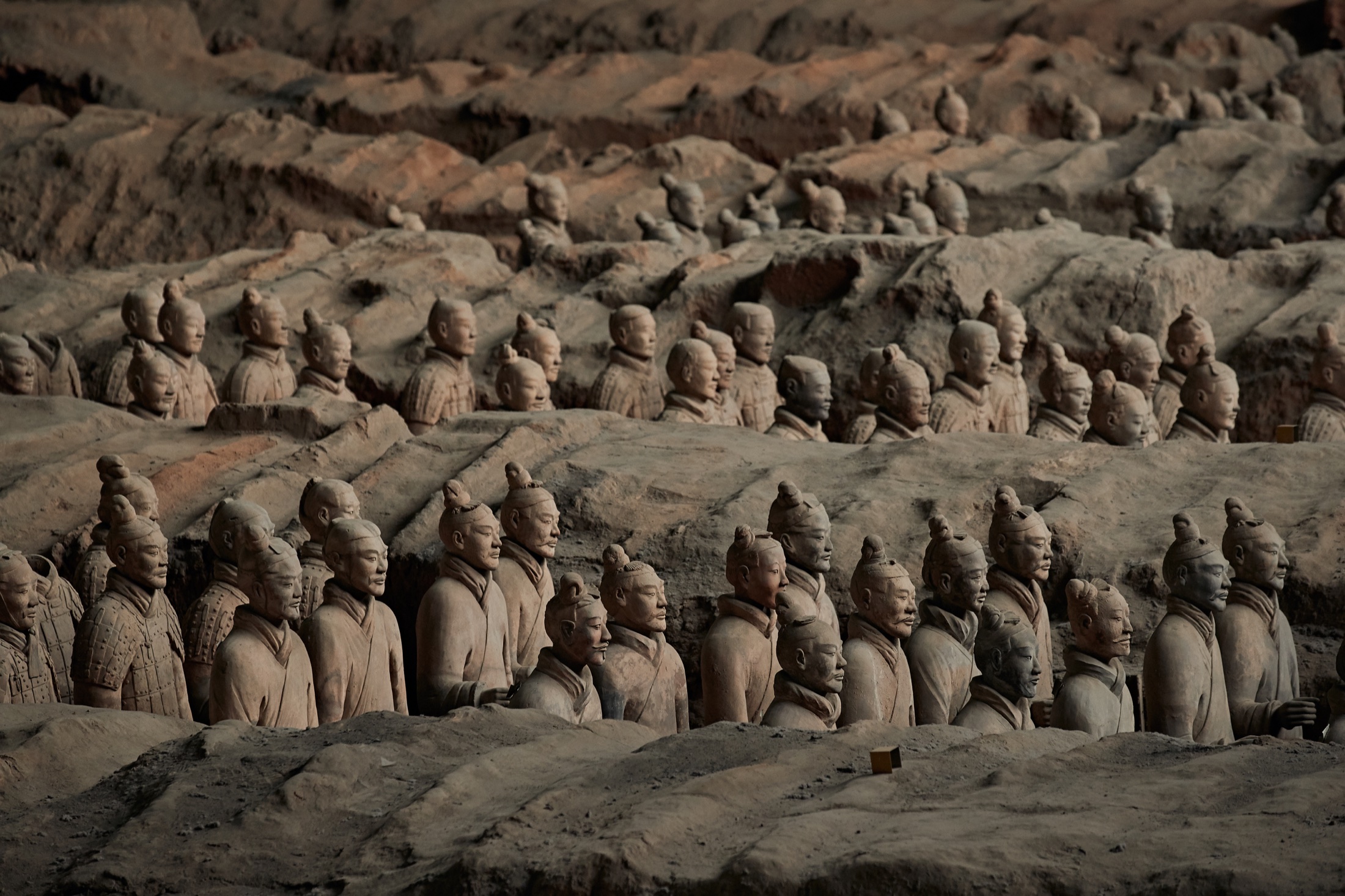 Xi’an / eastern route close
Xi’an, the eastern close of the delivered Silk Road route. Authorized destination context; not client-departure photography.
02 · What this journey demonstrates
One route logic across several operating environments.
Multi-region sequencing
Destinations were ordered as one journey rather than sold as disconnected city stays.
Handoff coordination
Rail, luggage, regional guiding, dining and cultural experiences were considered together.
Xi’an as a real node
Xi’an closed the Silk Road arc with archaeology, city heritage, dining and an evening programme.
Value to an overseas travel partner: the case makes the sequencing, handoff and evidence boundaries visible before a new brief is discussed, reducing the work required to assess local operating fit without suggesting a replaceable packaged departure.
03 · The client brief
What is verified—and what remains private.
The source records a private Chinese-speaking client group seeking a high-end, multi-region cultural journey. The client identity, passenger count, rates, margins and contact details remain undisclosed. The surviving public-safe evidence proves the operated route and coordination scope; it does not prove a testimonial or a repeatable commercial package.
04 · Journey at a glance
Fourteen days from Xinjiang to Xi’an.
05 · Why we designed it this way
The route follows geography, recovery time and cultural continuity.
Sequence before spectacle
- Move east through a coherent Silk Road arc.
- Protect transition days instead of hiding distance.
- Link transport choices to the destination programme.
One brief across regions
- Coordinate rail and luggage handoffs.
- Carry language, pace and cultural interests through each stop.
- Separate proposed arrangements from dated confirmation.
06 · Selected experiences
Experiences chosen to make the route legible.
Landscape and settlement
Tianchi, Turpan, the Flaming Mountains, karez systems and Jiaohe.
Silk Road heritage
Mogao Caves, Jiayuguan, Zhangye and the Yellow River landscape.
Xi’an cultural close
Terracotta Warriors, city heritage, pagoda context, dining and an evening programme.
07 · Operating considerations
Delivery depended on decisions, not labels.
Before confirmation
- Train and visitor reservations require date-specific checks.
- Regional guiding and interpretation depend on the agreed brief.
- Named hotels, performances and special arrangements are not guaranteed for another journey.
During delivery
- Regional teams follow one route and communication record.
- Transfer, luggage and recovery time are coordinated with the programme.
- Changes are managed against confirmed scope—not assumed access.
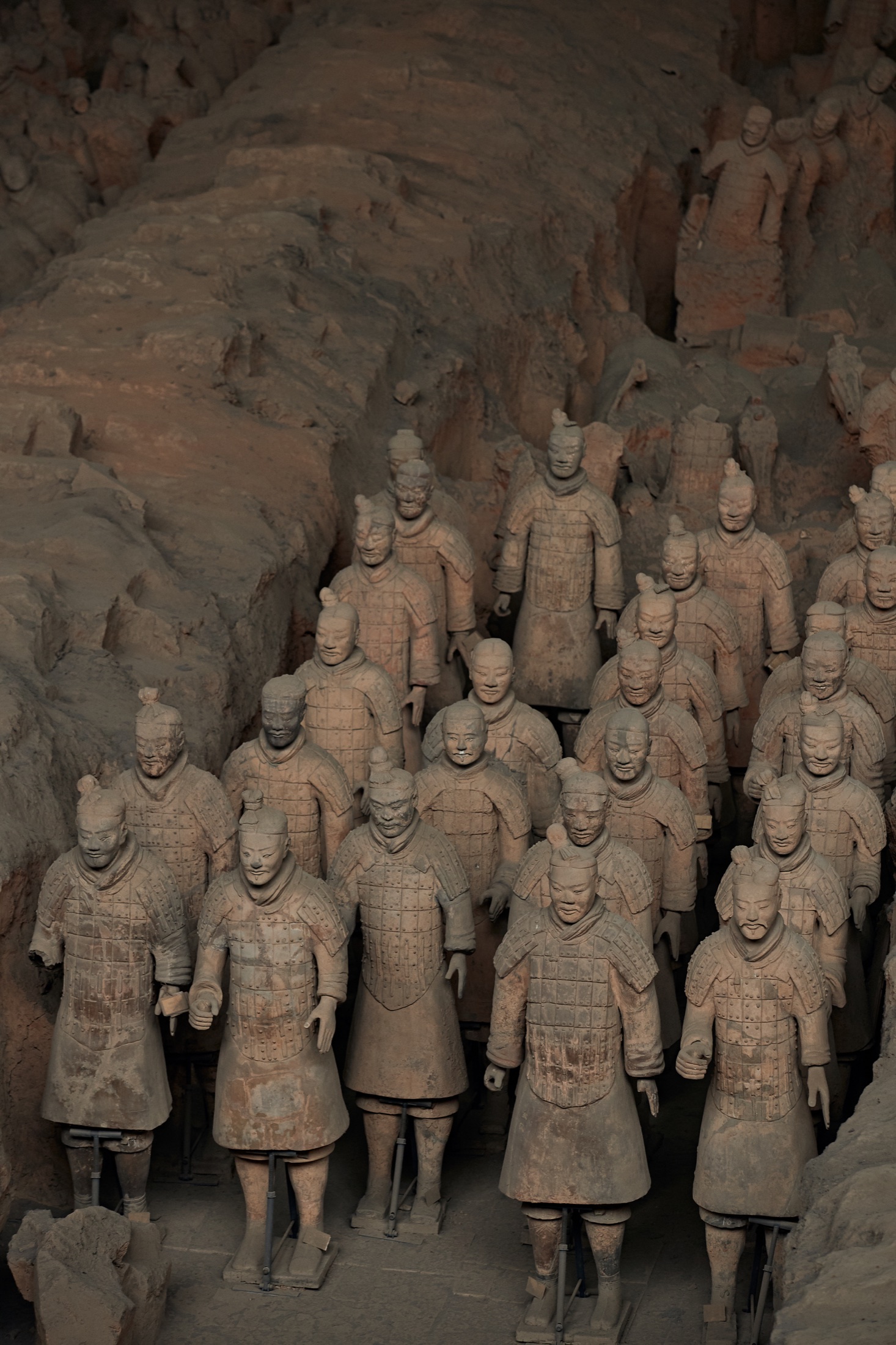
08 · Destination imagery along the route
Destination context across the delivered route.
Representative destination imagery; not client-departure photography.
09 · What this case proves
Delivered route logic and coordinated operating scope.
- A 14-day multi-region route was delivered in 2025.
- Xinjiang, Gansu and Xi’an were coordinated as one journey logic.
- Rail, luggage, guiding, dining, performance and interpretation were considered operationally.
- Xi’an/Shaanxi formed a meaningful final cultural and operating node.
10 · What this case does not prove
Future services still require a new brief and confirmation.
- No named client endorsement or measured client outcome.
- No guaranteed future availability, access, hotel, train or expert.
- No exclusive institutional relationship or owned supplier network.
- No fixed price, instant booking or identical repeatable departure.
11 · Discuss a similar journey
Use the case as evidence, then start again from your brief.
Share the traveller profile, source market, dates, group size, desired route, service expectations and known constraints. Impression can assess a new journey without representing this delivered case as current inventory.
Discuss a Similar JourneyTalk to Our China DMC Team